Chimney Crown vs. Chimney Cap: What's the Difference?
They Sit Inches Apart — and Do Completely Different Things
Homeowners mix these two up all the time, and it's easy to see why. The crown and the cap both live at the very top of your chimney, they both keep water out, and a contractor will often replace them in the same visit. But they are not the same part, they fail in different ways, and knowing which is which can save you from paying for the wrong repair.
The short version: the crown is the solid slab that seals the top of the masonry, and the cap is the metal cover that sits over the flue opening. When either one gives out, water starts working its way into the chimney — which is exactly how a small problem turns into a full rebuild. Catching it early is the whole point of routine chimney repair.
Get a Free Estimate!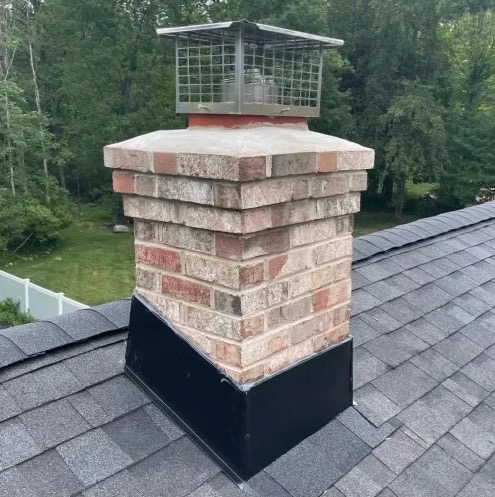
The Anatomy of Your Chimney Top
The Crown — Your Chimney's Roof
The crown is the solid slab of concrete or masonry that covers the entire top of the chimney, sloping slightly so rain runs off instead of pooling. Think of it as a tiny roof for the brickwork. A properly built crown overhangs the edges so water drips clear of the masonry rather than down the face of the bricks.
Crowns crack. Winter freeze-thaw cycles in New Jersey are brutal on concrete, and once a hairline crack opens, water gets in, freezes, expands, and widens it. A failing crown is one of the most common reasons a chimney starts leaking — the same issue we cover in our guide on why chimneys leak.
The Cap — The Lid Over the Flue
The cap is the metal cover — usually stainless or galvanized steel — that sits over the flue opening at the very top. It does three jobs at once: it keeps rain out of the flue, it stops birds, squirrels, and debris from getting in, and its mesh sides act as a spark arrestor to catch embers before they land on your roof.
A missing or rusted-out cap is a wide-open invitation for water and animals to move straight into your flue. Caps are also the most affordable part on this list to replace, which makes skipping one a genuinely bad trade.
The Flashing — The Seal at the Roofline
Flashing is the layered metal weatherproofing where the chimney meets the roof. It bridges the gap between two very different surfaces — masonry and shingles — that expand and move at different rates. Done right, it channels water away from that seam every time it rains.
When flashing lifts, corrodes, or was tarred over instead of properly stepped, leaks show up inside the house near the ceiling around the chimney. Because it lives at the roofline, flashing work often overlaps with roofing, which is why we handle both under one roof.
The Flue Liner — The Channel Inside
The liner is the pipe or tile channel running up the inside of the chimney that safely carries smoke, heat, and combustion gases out of your home. It also protects the surrounding masonry and framing from the intense heat of a fire.
Crown and cap failures are dangerous partly because of what they expose: once water reaches the flue, liners deteriorate faster. If yours is cracked or missing, a modern chimney lining system restores safe operation and is backed by our lifetime warranty.
The Brick & Mortar — What Everything Rests On
Below the crown sits the masonry itself. When bricks flake apart in layers — called spalling — or mortar joints crumble to the touch, it's usually a sign that water has been getting past a failed crown or cap for a while.
Sometimes repointing the joints is enough. Other times the damage runs deep enough that a partial or full rebuild is the honest answer. We'll always tell you which one you're actually looking at, not the one that costs more.
What New Crown & Cap Work Actually Looks Like
This chimney came to us with peeling stucco, a worn cap, and a top that had stopped shedding water years ago. Drag the slider to compare: the finished job has a fresh white stucco chase, a new red brick top, clean black flashing at the roofline, and two new metal caps sealing the flues.
That's the payoff of getting the crown and cap right at the same time — the whole top of the chimney goes back to doing its one job: keeping water out.
"Had Top Notch 1 Chimney repair my chimney crown and reline my fireplace with a stainless steel liner. The work came out great and I'm glad I went with them. What I liked most was their transparency — they walked me through the whole process step by step."
See our profile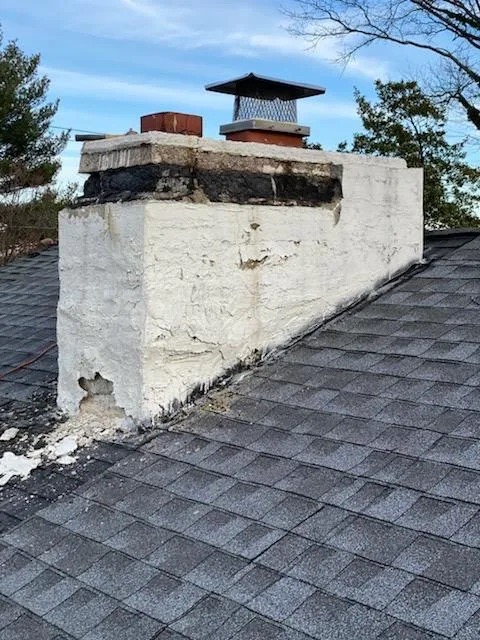
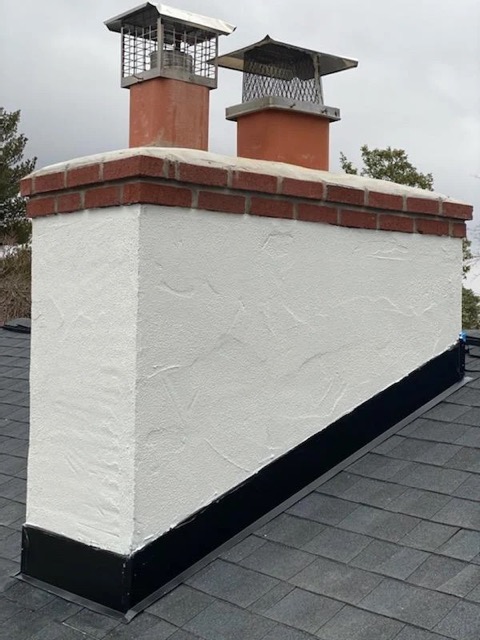
A full crown, cap, and flashing restoration on a stucco chimney chase — drag to reveal the finished result.
Crowns, Caps & Flashing Across New Jersey
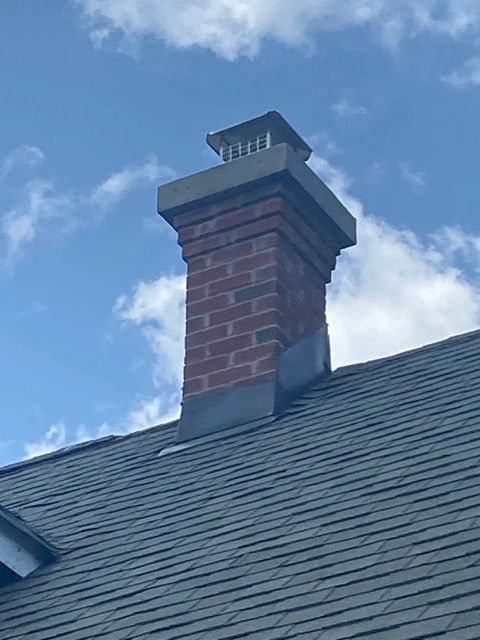
Every chimney top is a little different — clay chimney pots, stainless steel spark-arrestor caps, poured concrete crowns, corbelled brick. This is a sample of recent work across our service area. Tap any photo to take a closer look at the details that keep water and animals out.
"I had my chimney done by Top Notch 1. The chimney looks great and the price was very fair. I highly recommend them."
See our profile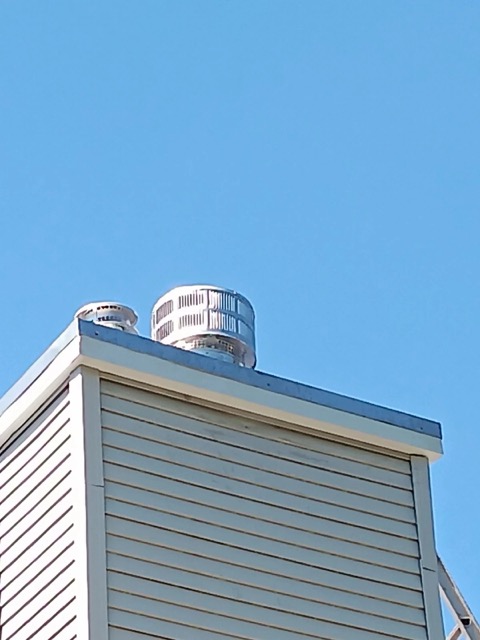
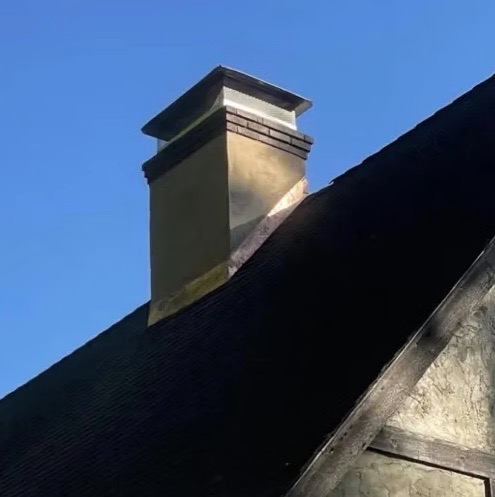
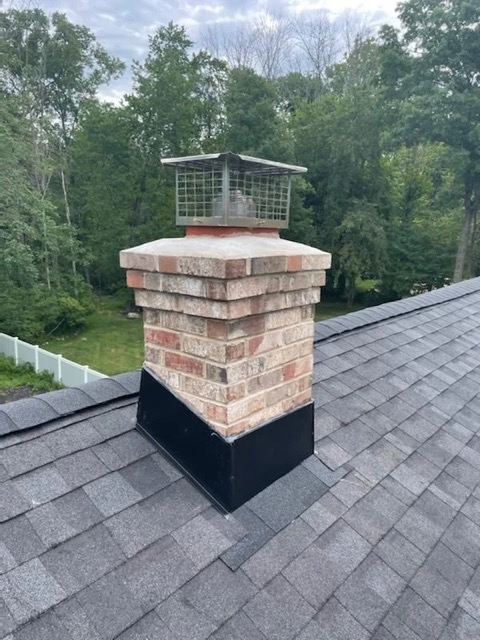
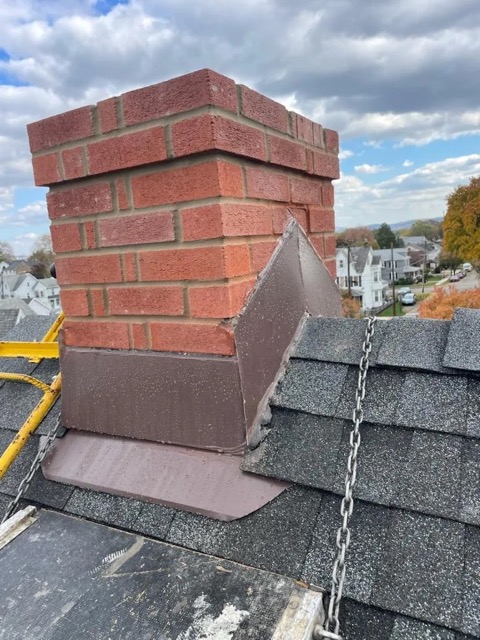
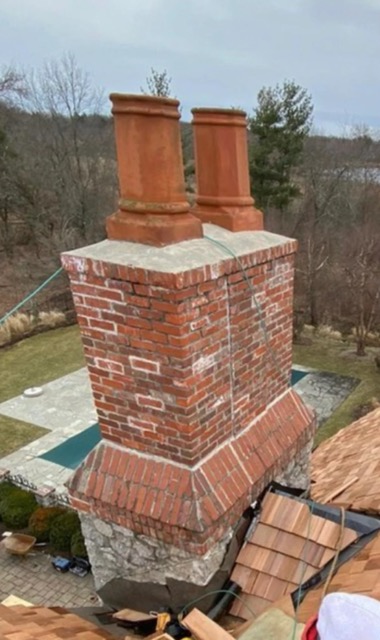

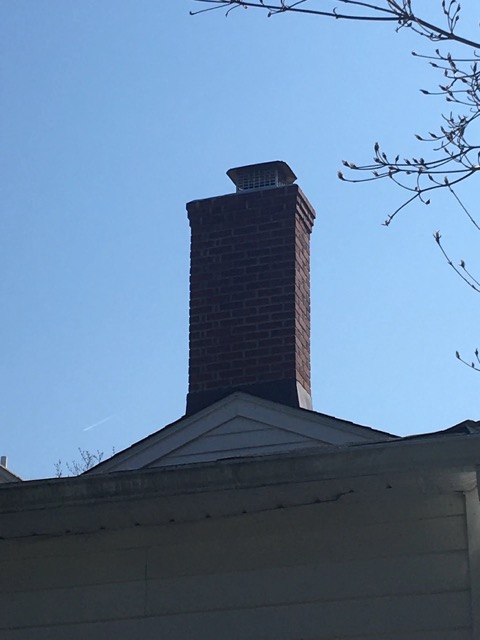
Very very pleased with the work done. New cap and repairs done to chimney top. Highly recommend this company.
Crown & Cap Questions We Hear a Lot
Often, yes. A cap is an independent part, so if your crown is still solid, a new cap is a quick, affordable fix. During a free on-site estimate we'll check the crown at the same time and tell you honestly whether it can wait or needs attention now.
The clearest signs from the ground are water stains on the chimney, spalling or flaking bricks near the top, and white chalky deposits on the masonry. Cracks themselves are usually only visible from the roof, which is why a proper inspection is the safest way to confirm it rather than guessing.
No — they're two separate parts. The crown is the solid masonry slab that seals the whole top of the chimney, and the cap is the metal cover over the flue opening. They work together, but each is repaired or replaced independently.
Water gets in. Once it does, it works through the mortar, damages the flue liner, and accelerates freeze-thaw cracking every winter. What starts as an inexpensive cap or crown repair can grow into a full chimney rebuild if it's left alone for a few seasons.
Yes. We're a CSIA-certified, family-owned company, and we stand behind our work with industry-leading warranties — including a 50-year warranty on chimney rebuilds and a lifetime warranty on lining systems. We'll walk you through exactly what's covered before any work begins.
Related Services
Chimney Repair
Crown repairs, cap replacements, repointing, and flashing — the fixes that keep water out before it becomes a bigger job.
Learn MoreChimney Rebuild
When damage runs past the top few courses, we rebuild from the roofline up — backed by our 50-year warranty.
Learn MoreChimney Lining Systems
Stainless steel liners that restore safe, code-compliant venting for your fireplace — carrying a lifetime warranty.
Learn MoreBacked by Credentials, Not Just Claims
CSIA Certified
Our technicians are CSIA certified with over 20 years of hands-on chimney and masonry experience.
Industry-Leading Warranties
A 50-year warranty on chimney rebuilds and a lifetime warranty on lining systems.
Free On-Site Estimates
Honest, no-pressure consultations with on-the-spot pricing — no surprises later.
4.8-Star Google Rating
Rated 4.8 stars by New Jersey homeowners across our service area.
A+ BBB & Google Guaranteed
A+ rated by the Better Business Bureau and Google Guaranteed for added peace of mind.
Family-Owned Since 2012
A local, family-owned contractor serving 16 counties across New Jersey.
Let's Take a Look — Free of Charge
Whether it's a simple cap or a cracked crown, the only way to know for sure is to have it inspected. We'll climb up, tell you exactly what's going on, and price it on the spot — with no pressure to book.
Reach Out
Call or request your free estimate online — we'll find a time that works.
On-Site Inspection
We assess your crown, cap, flashing, and flue and walk you through what we find.
Clear, On-the-Spot Pricing
You get honest pricing and warranty details before any work begins.