The Complete Guide to Chimney Maintenance
Your chimney works hard every winter — and takes a beating from rain, wind, and freeze-thaw cycles the rest of the year. A little regular attention keeps small issues from turning into big, expensive problems.
We put this guide together to give NJ homeowners a clear, no-fluff breakdown of what chimney maintenance actually involves, how often you should be checking things, and when it's time to call in a pro. Whether your chimney needs a quick tune-up or a closer look, this is your starting point.
Get Your Free Estimate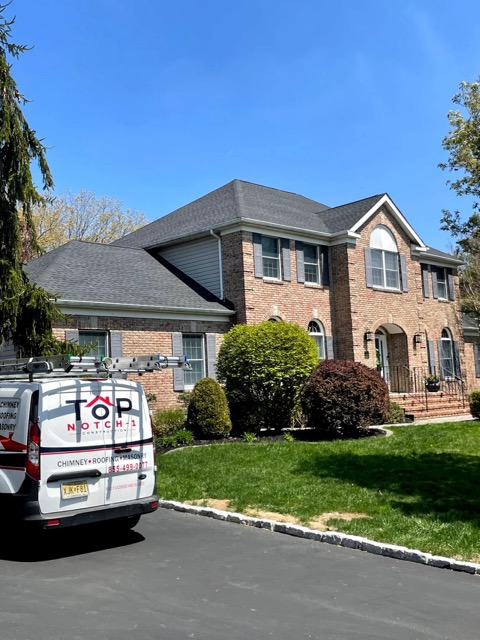
What Happens When Maintenance Gets Skipped
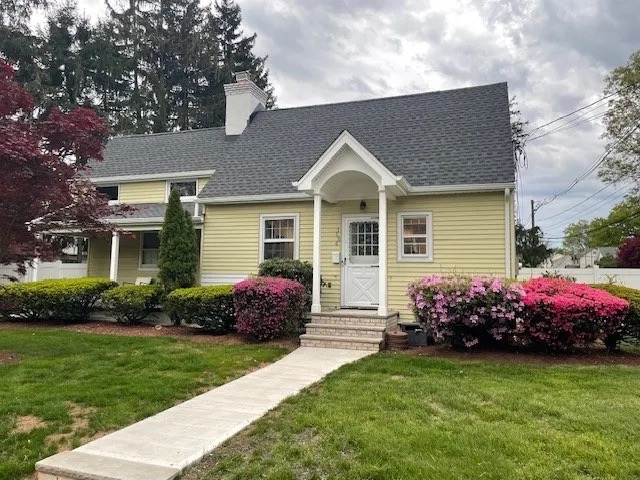
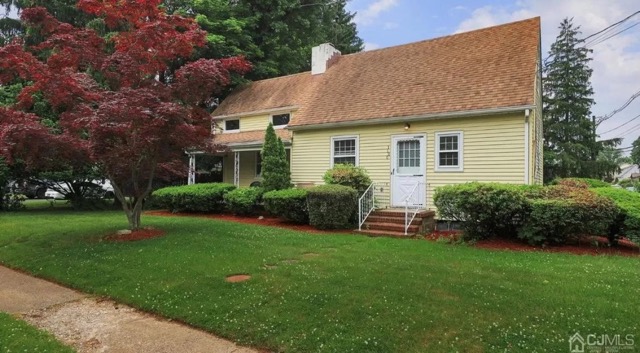
These are real chimneys from NJ homeowners who waited too long — and what they looked like after our crew finished the job.
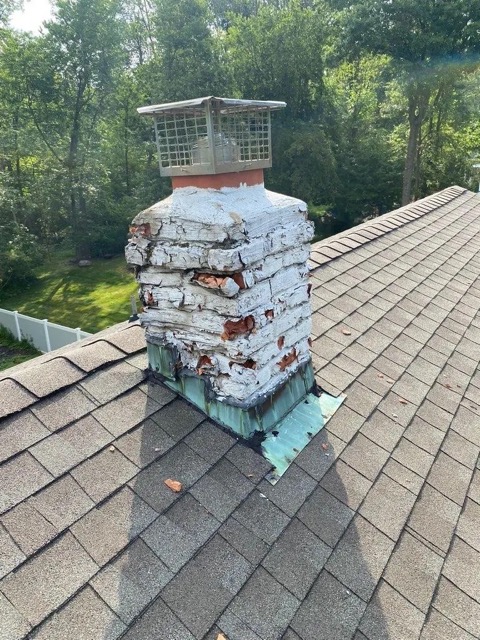
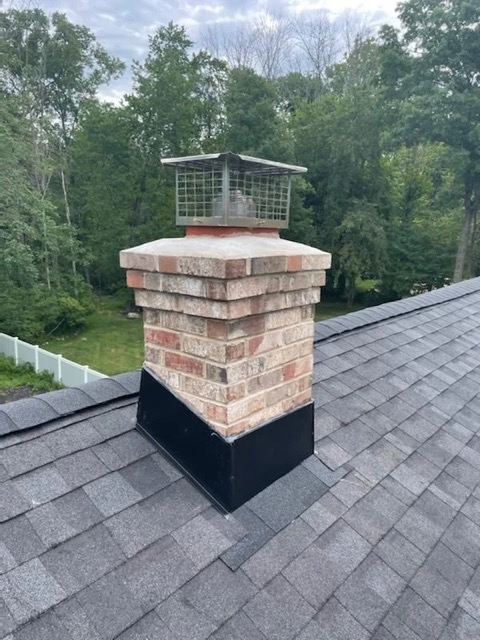
Full Chimney Rebuild — Brick Match
Years of water damage and freeze-thaw cycles left this chimney beyond repair. We tore it down and rebuilt it with original-match brick.
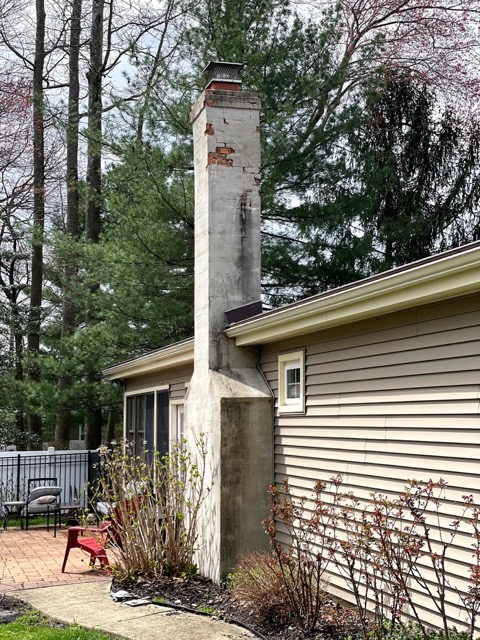
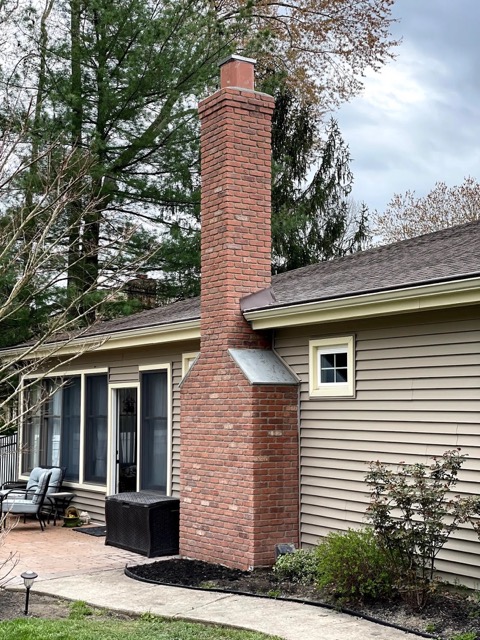
Complete Teardown & Rebuild
This chimney was separating from the roofline — a structural risk to the whole house. New build from the roofline up, with proper flashing and a new cap.
Chimney Maintenance Done Right the First Time
We've been doing this since 2012. Every inspection, every repair, every rebuild — we treat your home the way we'd treat our own. That means honest assessments, quality materials, and a jobsite that's cleaner when we leave than when we showed up.
- CSIA certified lead technician — trained to spot what others miss
- On-the-spot pricing — no waiting days for a callback
- Family-owned and operated — same crew, same standards, every job
- 5.0 stars on Google with 200+ reviews from NJ homeowners
- Licensed, insured, and Google Guaranteed across 16 NJ counties
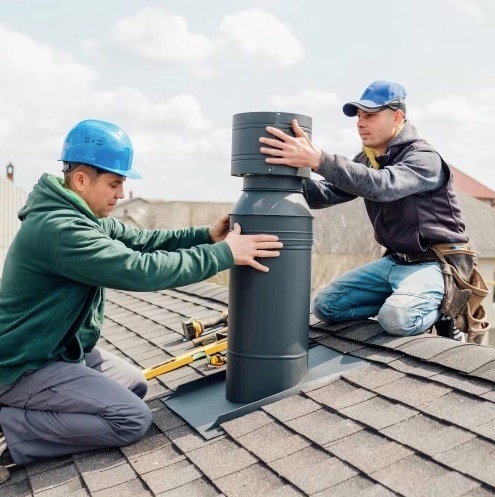
Your Seasonal Chimney Maintenance Checklist
Spring
After the last fire of the season, schedule an inspection. Winter puts the most stress on your chimney — spring is when you catch the damage early.
Summer
The best time for chimney repairs. Mortar sets better in warm, dry weather. If your spring inspection turned up problems, now's when you fix them.
Fall
Before you light the first fire, make sure the flue is clear and the cap is in place. Check for animal nests, debris, and any cracks that developed over summer storms.
Winter
Keep an eye on the exterior during freeze-thaw cycles. Watch for white staining (efflorescence) on the brickwork — it means water is getting in and it's time to call a pro.
Annual Inspection
Once a year, every year. A CSIA certified tech can spot flue damage, mortar erosion, and flashing issues that you'd never see from the ground. This is non-negotiable.
After a Storm
High winds, heavy rain, and hail can crack crowns, shift caps, and loosen flashing overnight. After any serious weather event, get a quick visual check from a pro.
Chimney Maintenance: What Every Homeowner Should Know
Exterior Brickwork
The brick and mortar on the outside of your chimney take the hardest hit from New Jersey weather. Rain soaks into porous mortar joints, then freezes and expands in winter. That cycle repeats dozens of times per season — and every round pushes the cracks a little wider. Over a few years, what started as hairline cracks become gaps you can fit a fingernail into.
Look for crumbling mortar between the bricks, especially near the top of the chimney where exposure is worst. White staining on the brickwork (called efflorescence) is a warning sign that moisture is moving through the masonry. Bricks that are cracked, spalling (flaking apart), or pulling away from each other mean the damage has already progressed. At that point, you're looking at professional chimney repair — repointing the mortar joints and replacing any compromised brick before the problem spreads deeper.
If the damage covers more than one face of the chimney or the structure is starting to lean, repair alone might not be enough. That's when a full chimney rebuild enters the conversation. Our crew always matches the original brick so the finished result blends with your home — not a patchwork job that sticks out from the street.
Chimney Crown & Cap
The crown is the concrete (or mortar) slab that sits on top of your chimney, and the cap is the metal cover over the flue opening. Together, they're your chimney's first line of defense against rain, snow, animals, and debris. When either one fails, everything below it is exposed.
Crowns crack for the same reason mortar does — water gets in, freezes, and breaks things apart over time. A cracked crown funnels water directly down the sides of the flue and into the brickwork. Left alone, it will accelerate damage to the entire chimney structure. Caps, meanwhile, can rust, blow off in high winds, or get dislodged by animals. Without a cap, you're basically leaving a hole in your roof open to the elements. Raccoons, birds, and squirrels love nesting in uncapped flues — and the mess they leave behind creates blockages and fire hazards.
The fix is usually straightforward. A new crown or cap is one of the more affordable chimney repairs, and it prevents thousands in damage down the road. During any annual inspection, the crown and cap should be checked first — it takes five minutes and can save your entire chimney.
Flue & Liner
The flue is the interior passage that carries smoke and gases up and out of your home. The liner (usually clay tile, metal, or a poured system) protects the surrounding structure from heat and corrosion. If either one is damaged, you've got a serious safety issue — cracked liners can leak carbon monoxide into your home and allow heat to reach combustible framing.
Older homes in NJ often have clay tile liners that crack over time from thermal shock — the rapid heating and cooling every time you use the fireplace. You can't see this damage from inside the firebox or from the ground. It takes a camera inspection (called a Level 2 inspection) to assess the condition of the flue liner. If your home is more than 20 years old and you've never had this done, it's worth scheduling. Our team uses modern lining systems that are backed by strong warranties and installed by CSIA certified technicians.
If your heating system has been converted (say, from oil to gas), the old flue liner may not be sized or rated for the new system. That mismatch causes condensation buildup inside the flue, which eats away at the liner from the inside out. A flue repair or relining corrects the problem and brings everything up to current safety standards.
Flashing & Waterproofing
Flashing is the metal barrier where your chimney meets the roofline. Its entire job is to keep water from running down the chimney and into your home. When flashing fails — through rust, separation, or poor original installation — you get leaks. And chimney leaks don't just damage the chimney. Water follows gravity into your attic, walls, and ceilings.
The tricky part is that flashing damage is hard to spot from the ground. You might notice water stains on the ceiling near the chimney, or dampness in the attic, before you ever see the flashing problem itself. That's why a roofing professional who also knows chimneys is the right call here — the repair needs to account for both the chimney masonry and the roof material. A patch job from one side without understanding the other almost always fails.
Waterproofing the chimney exterior adds another layer of protection. A breathable masonry sealant lets moisture vapor escape from inside the brickwork while keeping rain and snow from soaking in. It's not a permanent fix on its own — sealant wears off over time and needs reapplication — but combined with solid flashing and a good crown, it dramatically extends the life of your chimney.
Firebox & Damper
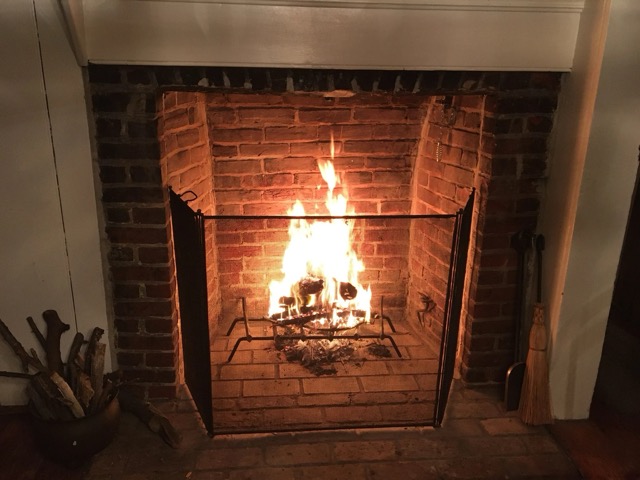
The firebox is the interior chamber where fires burn, and the damper is the metal plate that opens and closes to control airflow. Both take direct heat — and over years of use, they wear down. Cracked firebrick, deteriorating mortar inside the firebox, or a warped damper that won't seal properly are all common issues in NJ homes with wood-burning fireplaces.
A damper that doesn't close all the way is basically an open window. In winter, heated air escapes up the flue. In summer, hot outside air and humidity pour in. Either way, your energy bills go up and your comfort goes down. Replacing a damper is a fairly quick fix, but it's one that a lot of homeowners don't think about until they notice the draft. If you can feel cold air coming from your fireplace when it's not in use, that's your sign.
Firebox repairs are more involved. Cracked firebrick needs to be replaced — not just patched — to maintain the fire rating of the chamber. If the damage is widespread, a fireplace repair may include rebuilding portions of the interior. Our crew handles both interior and exterior work, so you're not coordinating between multiple contractors.
When Repair Becomes Rebuild
Here's the honest truth: not every chimney can be saved with a repair. When the damage is deep enough — multiple faces of crumbling brick, a shifting or leaning structure, severe flue deterioration, or compromised internal framing — a full chimney rebuild is the safer and more cost-effective path. Patching a chimney that needs a rebuild is like putting a band-aid on a broken bone. It'll look okay for a few months, then you're right back where you started.
A rebuild usually means tearing the chimney down to the roofline (or sometimes to the foundation) and building it back up with new materials. We match the original brick so the finished chimney looks like it's always been there. New builds include proper flashing, a new crown and cap, and a lined flue — basically a brand-new chimney built to current standards, backed by a strong warranty.
How do you know which one you need? That's exactly what a professional inspection tells you. We'll show up, assess the damage, and give you a straight answer — repair or rebuild, with pricing on the spot. No surprises, no upselling, and no pressure. If you're not sure about the condition of your chimney, that's the place to start. Check out our blog for more articles on chimney care, or reach out to schedule an assessment.
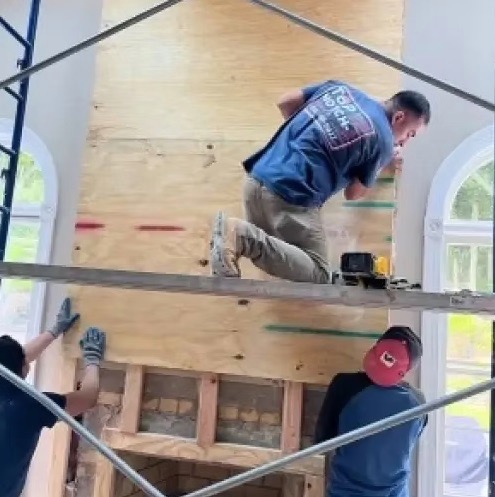
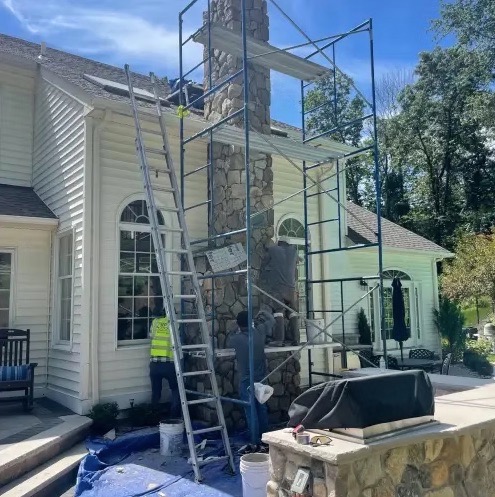
Our Work Across New Jersey
Chimney Maintenance Questions Homeowners Ask
At least once a year. The National Fire Protection Association recommends annual inspections for all chimneys, fireplaces, and vents — regardless of how often you use them. In New Jersey, the freeze-thaw cycle alone causes enough wear that skipping a year can mean missing early-stage damage. The best time to schedule is in spring, right after the heating season ends, so any repairs can happen during the warmer months.
Visible cracks in the mortar joints, white staining on the brickwork, crumbling or spalling bricks, and water stains on interior walls or ceilings near the chimney are the most common signs. You might also notice pieces of brick or mortar in your yard after storms, a strong draft coming from the fireplace when it's not in use, or a chimney that appears to be leaning. If you spot any of these, it's time for a professional look — chimney repair catches small issues before they become structural problems.
A well-maintained chimney can last 50 years or more. But "well-maintained" is the key phrase — without regular inspections and timely repairs, deterioration accelerates fast. Most chimneys that need a full rebuild got there because small problems were ignored for years. Cracked crowns, failed flashing, and eroding mortar all compound on each other. The chimney doesn't fail all at once; it just quietly gets worse until a repair is no longer enough.
Yes — and this is one of the most overlooked issues in NJ homes. Gas appliances produce a different type of exhaust than oil, with more moisture. If your flue was originally sized and lined for an oil burner, the gas exhaust can cause condensation to build up inside the flue, which eats away at the liner and the surrounding masonry from the inside. A new lining system sized for your gas appliance solves the problem and keeps your home safe.
You can do some basic checks from the ground — looking for visible cracks, checking the cap, and watching for white staining on the brickwork. But anything that requires getting on the roof, inspecting the flue interior, or evaluating structural integrity needs a professional. A CSIA certified technician has the tools and training to catch problems that aren't visible to the naked eye, including flue liner damage and interior deterioration that only shows up on a camera inspection.
Flashing is the metal seal where your chimney meets the roof. It prevents water from running down the chimney and into your home. Signs of failed flashing include water stains on the ceiling or walls near the chimney, dampness in the attic around the chimney area, or visible gaps and rust where the metal meets the masonry. Because flashing sits at the intersection of your roof and chimney, the repair needs someone who understands both — which is exactly what we do.
Not an immediate emergency, but it shouldn't wait. A cracked crown lets water into the chimney structure with every rain. Over a few seasons, that water causes freeze-thaw damage to the brickwork, corrodes the flue liner, and can eventually lead to the kind of damage that requires a full rebuild. Fixing a cracked crown early is one of the most affordable chimney repairs — and one of the most effective at preventing major damage later. See our full list of chimney services to learn more about what we can handle.
Chimney & Roofing Services We Offer
Chimney Rebuild
Full teardown and rebuild with matched brick. Backed by a strong warranty and built to last decades.
Learn MoreChimney Repair
Mortar repointing, brick replacement, and crown repair — we fix the damage before it spreads.
Learn MoreRoofing Services
Repairs, replacements, and gutter work from a team that knows chimneys and roofs inside and out.
Learn MoreWhat Sets Top Notch 1 Chimney Apart
CSIA Certified
Our lead technician holds certification from the Chimney Safety Institute of America — the industry's gold standard.
5.0 Stars — 200+ Reviews
NJ homeowners trust us because we earn it on every job. Our Google rating speaks for itself.
Google Guaranteed
We passed Google's background check and licensing verification. Your project is backed by their guarantee.
Family-Owned Since 2012
Same owners, same crew, same standards for over a decade. No franchise, no revolving door of techs.
On-the-Spot Pricing
We assess the job and give you a number right there. No waiting for a callback, no surprise charges later.
Clean Jobsite Guarantee
We leave your property cleaner than we found it. That's not a slogan — it's something the founders care about personally.
Ready to Get Your Chimney Checked?
Reach Out
Give us a call or fill out the form. We'll ask a few quick questions about your chimney and set up a visit.
We Assess the Job
A CSIA certified tech comes out, inspects your chimney, and gives you a price on the spot. No guesswork.
We Get It Done
Once you give the go-ahead, we schedule the work and handle everything — start to finish, clean site included.