5 Warning Signs Your Chimney Needs Repair Before Winter
Don't Wait Until the First Cold Snap
Every fall, our crews get emergency calls from New Jersey homeowners who fired up their fireplace for the first time that season — only to discover smoke pouring into the living room, water stains spreading across the ceiling, or worse. The truth is, most chimney failures don't happen overnight. They send warning signs months in advance. You just have to know what to look for.
In this guide, our CSIA-certified technicians break down the five most common red flags that mean your chimney needs professional attention. Catching these early can save you thousands of dollars and keep your family safe all winter long.
Get a Free Estimate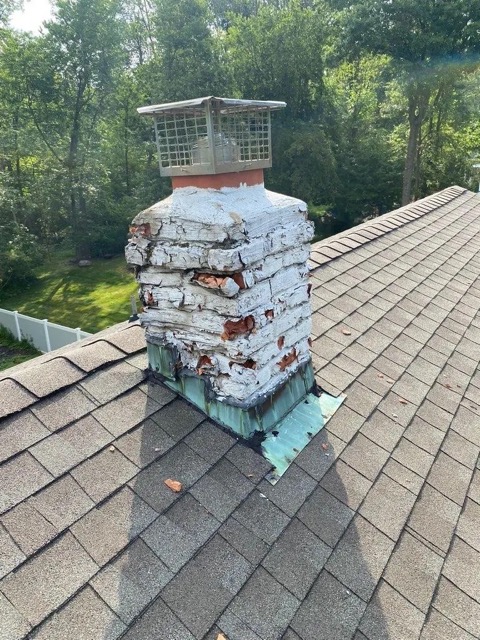
Mortar Turning to Sand? Your Chimney Is Losing Structural Integrity
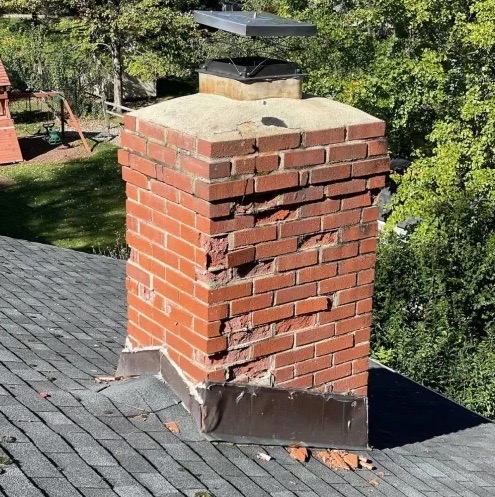
Take a look at the brickwork on your chimney from ground level. If you can see gaps between bricks, crumbling mortar lines, or sandy-looking debris collecting on your roof or in the gutters, the mortar joints are deteriorating. This is one of the earliest and most common signs of chimney damage in New Jersey, and it's directly caused by our freeze-thaw cycles. Water seeps into tiny mortar cracks during fall rains, freezes and expands in winter, then thaws and opens the gap wider. Left alone, it accelerates fast — what starts as a cosmetic issue becomes a structural one within a season or two.
The fix depends on severity. Minor joint damage calls for repointing (tuckpointing), where we grind out the old mortar and pack in fresh material. If the damage runs deep — bricks pulling apart by hand, mortar that's basically powder — a partial or full chimney rebuild is the safer long-term investment. Our rebuilds come with a 50-year warranty, so you won't be revisiting this problem again.
White Chalky Deposits Mean Moisture Is Already Inside
That white, chalky residue you see on chimney bricks has a name — efflorescence. It happens when water migrates through the masonry, dissolves naturally occurring salts inside the brick, and deposits them on the surface as it evaporates. It's essentially your chimney telling you it's absorbing too much water. A light dusting isn't cause for panic, but heavy or recurring efflorescence means moisture is cycling through the brickwork regularly, and that accelerates every other type of damage: mortar failure, spalling, freeze cracking, and interior water intrusion.
Addressing the root cause is what matters. Sometimes it's a failed chimney crown or missing cap letting rain in from above. Other times it's a flashing failure where the chimney meets the roofline. Our technicians diagnose the moisture source during every free estimate so we fix the problem — not just the symptom.
A Damaged Crown Is an Open Door for Water Damage
The chimney crown is the concrete slab that caps the top of your chimney, sloping water away from the flue opening. When it cracks — from age, settling, or poor original construction — rainwater runs directly into the chimney structure. Over one New Jersey winter, a single crown crack can cause interior water stains, rusted damper components, deteriorated flue tiles, and accelerated mortar joint failure below the roofline. It's one of the most overlooked components because homeowners can't see it from the ground.
Crown repairs range from sealant applications for hairline cracks to full crown replacement for heavily damaged or improperly built crowns. While we're up there, we also check the chimney cap — if it's rusted, bent, or missing entirely, that's another direct water entry point that's easy and affordable to fix.
Water Stains Near Your Fireplace? Check the Flashing
Chimney flashing is the sheet metal (usually aluminum or lead) that seals the joint where your chimney meets the roof. When it pulls away, rusts through, or loses its caulk seal, water runs down the chimney's exterior and into your home's framing. The classic sign: water stains on the ceiling or walls near the fireplace, especially after heavy rain. Some homeowners mistake this for a roof leak, but more often than not, the chimney flashing is the culprit.
Proper flashing repair or replacement involves step-flashing each course of brick and counter-flashing into a mortar joint — not just smearing tar over the seam (a shortcut we see far too often). Done right, new flashing should last 20–30 years. If your roof is also due for replacement, that's the ideal time to address both — our crews handle roofing and chimney work on the same project, which saves you time and money on scaffolding and labor.
When Brick Faces Pop Off, the Clock Is Ticking
Spalling is what happens when moisture trapped inside a brick freezes, expands, and blows the face off. You'll see chunks of brick littering your roof, popping off the chimney stack, or flaking away in layers. It looks dramatic because it is — spalling means the brick itself is failing, not just the mortar between them. Once bricks start spalling, the damage tends to cascade. Each lost face exposes softer interior material to even more moisture, and the process accelerates through each freeze-thaw season.
Isolated spalling on a few bricks can sometimes be addressed with individual brick replacement and repointing. But widespread spalling — especially on older chimneys built with softer brick — usually means it's time for a chimney rebuild. Our team matches new brick to the original whenever possible so the finished product blends with your home's existing masonry. And with our 50-year warranty on rebuilds, you're covered for the long haul.
We never thought about masonry until the chimney needed work. After getting quotes, Claude from Top Notch Chimney stood out. Direct, clear, no hard sell. Midway through, Ramon's crew called — the bricks weren't bonded. Mortar had turned to dust. They could pull it apart by hand. Everything had to come down to the roofline. The finished work answered any remaining doubts. Sharp, solid, well-matched. Ramon's crew spent three more hours cleaning every trace of dust and debris, even checking the neighbor's siding. That earned them our patio job on the spot.
Chimney Repair FAQs
It depends on the scope. Minor repointing might run a few hundred dollars, while a full rebuild from the roofline up is a larger investment. Every job is different, which is why we provide free on-site estimates with on-the-spot pricing — no guessing games, no ballpark ranges over the phone. We'll show you exactly what needs to happen and what it costs before any work begins.
You can, but waiting through winter usually makes the problem worse and more expensive. Every freeze-thaw cycle expands existing cracks and accelerates mortar failure. Water intrusion that's manageable in October can turn into major interior damage by March. If you plan to use your fireplace at all this winter, get it inspected before the first fire — it's a safety issue as much as a cost issue.
Our free inspections cover the full chimney system: crown condition, cap and spark screen, flashing integrity, mortar joint quality, brick condition (checking for spalling and efflorescence), flue liner status, damper function, and firebox condition. We take photos of everything we find and walk you through them on the spot so you understand exactly what's going on before we talk about solutions.
Most partial chimney rebuilds (from the roofline up) take two to four days depending on chimney height, brick matching requirements, and weather. Full rebuilds that extend below the roofline take longer. We'll give you a clear timeline during the estimate, and our crews show up on time and keep the site clean throughout the project.
Yes. Chimney rebuilds come with a 50-year warranty, and our lining systems carry a lifetime warranty. These aren't marketing gimmicks — we stand behind our materials and workmanship because we use high-quality products and our crews don't cut corners. We've been in business since 2012, and our reputation depends on work that lasts.
Chimney repair covers targeted fixes — repointing mortar joints, replacing a few spalled bricks, sealing the crown, fixing flashing. A rebuild means taking down part or all of the chimney structure and reconstructing it with new materials. The right approach depends on the extent of the damage. Minor deterioration calls for repair; widespread failure or structural instability calls for a rebuild. We'll always recommend the most cost-effective path that actually solves the problem long-term.
Related Services
Chimney Rebuild
Full or partial chimney reconstruction with matching brick and a 50-year warranty on craftsmanship and materials.
Learn MoreLining Systems
Stainless steel chimney liners installed by CSIA-certified techs. Lifetime warranty included on every system.
Learn MoreRoofing Services
Roof repairs, replacements, and inspections from the same team that handles your chimney — one crew, one project.
Learn MoreGet Your Chimney Inspected — Free
Catching chimney damage early saves you money and keeps your family safe. Our free on-site inspections take about 30 minutes, and you'll walk away with clear answers, photos, and on-the-spot pricing — zero obligation.
Call or Request Online
Reach out by phone or through our website. We'll schedule your free inspection at a time that works for you.
We Inspect Everything
A CSIA-certified tech examines your full chimney system — crown to firebox — and walks you through the findings.
Get It Fixed Right
Approve the scope and pricing, and our crew handles the rest. Industry-leading warranties on every job.